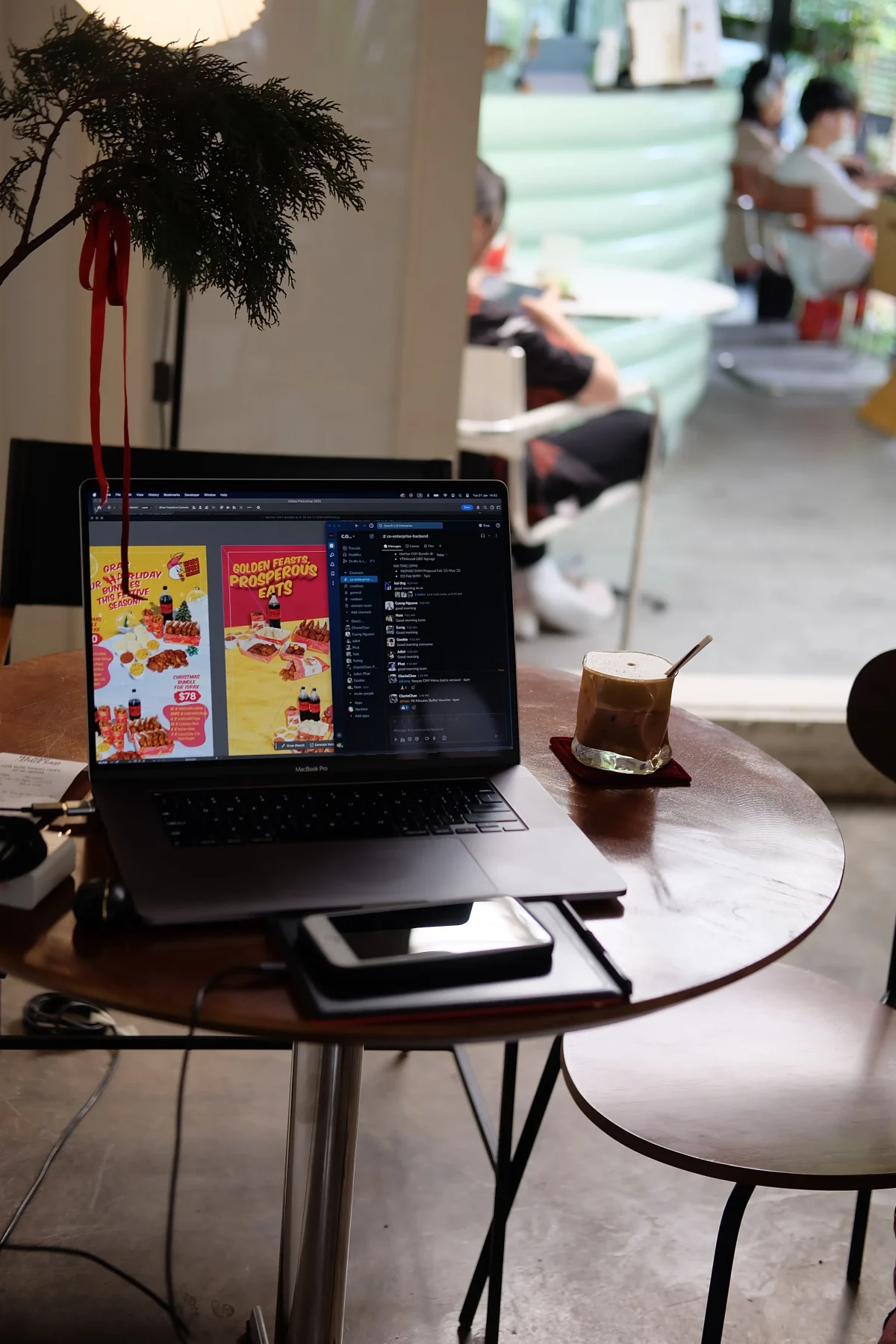
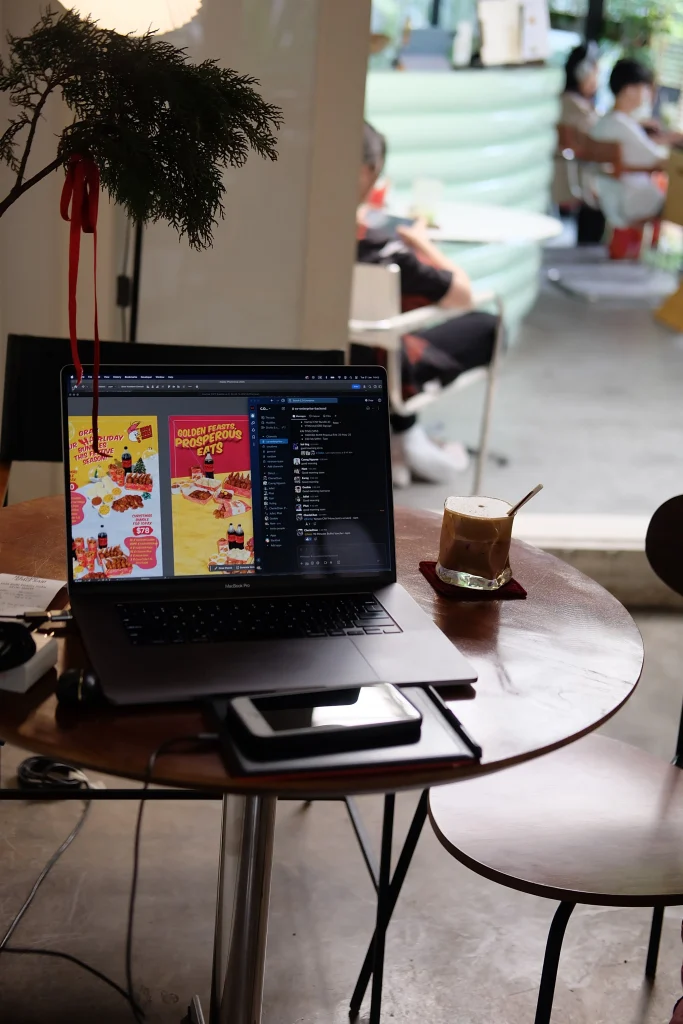
Seoul is one of the best coffee cities on the planet. You’ll find minimalist industrial cafes in Seongsu-dong, quiet hanok tea houses in Ikseon-dong, and multi-floor dessert cafes in Gangnam, often on the same street. But the first time you walk into one, you’ll notice the rules are a little different. You’ll often order at a touchscreen. You’ll find the Wi-Fi password on your receipt. And somebody’s MacBook will be sitting at an empty table while its owner is out.
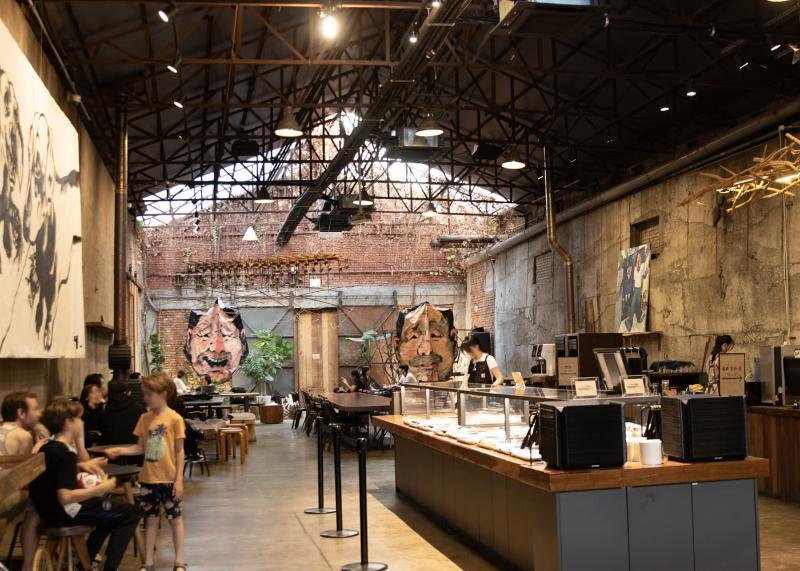
This guide covers Seoul cafe etiquette from the moment you walk in to the moment you leave. It includes a step-by-step walkthrough of the Korean cafe kiosk, how foreign cards work, where to find the Wi-Fi and restroom codes, and the unwritten rules for laptop users. By the end, you’ll be able to say, “I’m sitting at my favorite cafe in Seoul” and mean it.
Why Seoul Cafe Etiquette Matters: Korea’s Coffee Obsession by the Numbers
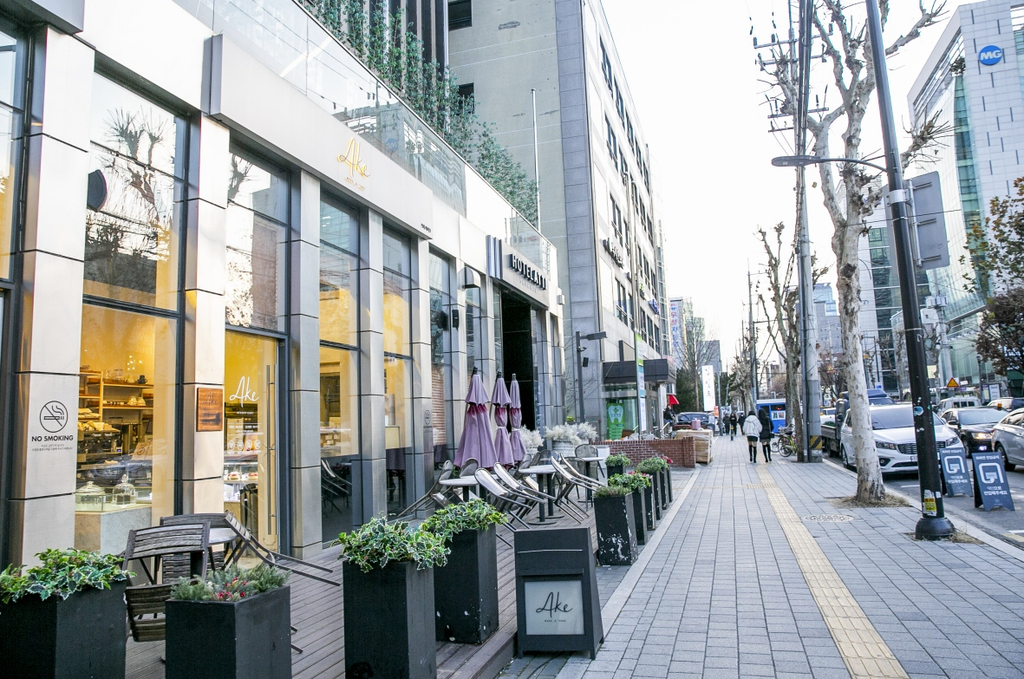
Cafes aren’t a side attraction in Korea. They’re part of everyday life. Euromonitor puts South Korea’s per capita coffee consumption at 416 cups a year in 2024, about 2.7 times the global average. According to a government analysis, the number of coffee shops grew 5.7% to 106,452, meaning roughly one in seven foodservice businesses in Korea is a coffee shop.
Starbucks shows the scale too. Starbucks had 2,009 Korean stores by the end of 2024, more than Japan and behind only the US and China. Budget chains have grown even faster. Mega MGC Coffee led all franchises in 2025 with 3,889 stores, and an iced Americano ranged from ₩1,000 at convenience stores to ₩5,500 at Starbucks.
With so many cafes competing for space and customers, locals follow a shared set of habits. Knowing them makes your visit much smoother.
How to Use a Korean Cafe Kiosk: Step by Step
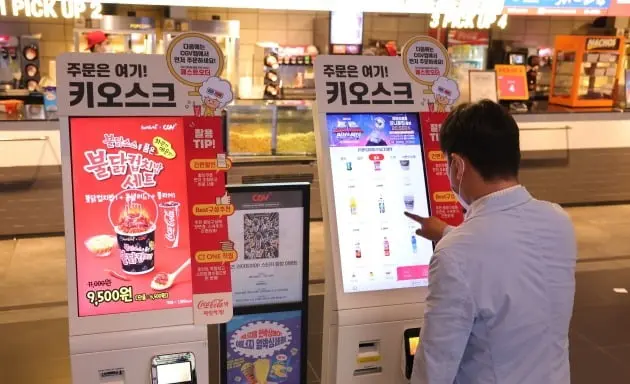
At large chains like Mega MGC Coffee, Compose Coffee, Paik’s Coffee, and A Twosome Place, and at many trendy indie spots, a self-service touchscreen is the main way to order. Here’s how a typical Korean cafe kiosk order goes.
Step 1: Switch the Language
Look in a top or bottom corner of the screen for a globe icon or language buttons (ENG / 中 / 日). If there’s no English option, don’t worry. Most menus have clear photos, and you can point your phone’s camera at the screen with Papago or Google Lens to translate it live.
Step 2: Choose “For Here” or “To-Go”
This is usually the first question the kiosk asks:
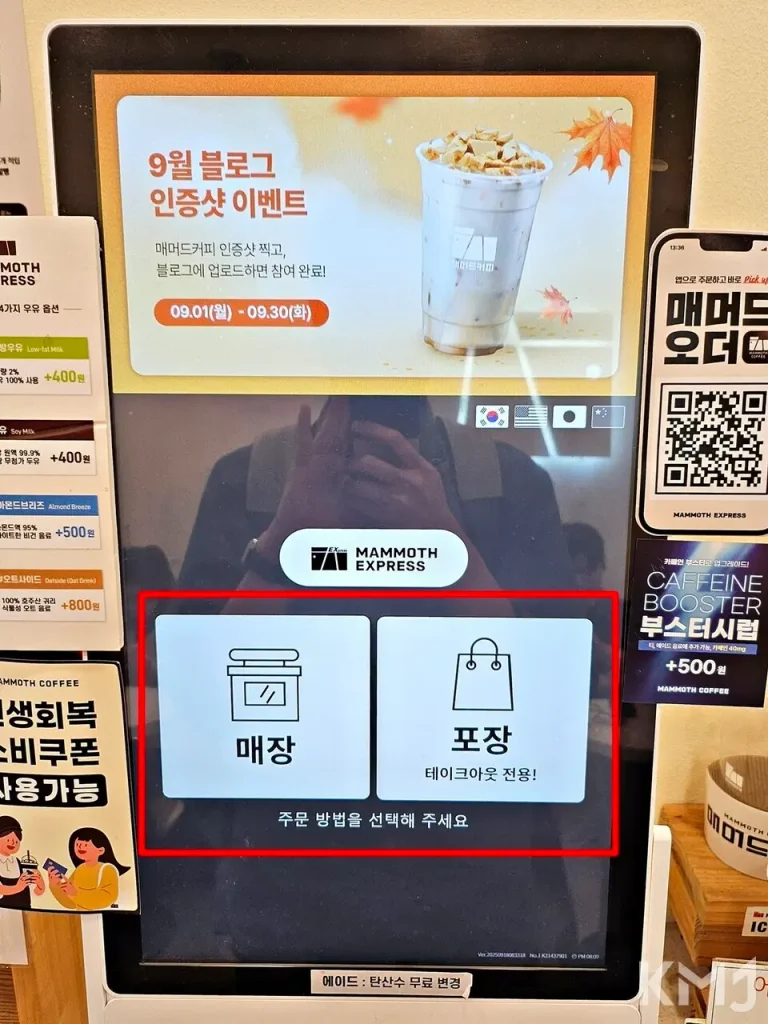
- 매장 (maejang) — For Here: Pick this if you’re staying.
- 포장 (pojang) — To-Go / Take-out: Pick this if you’re leaving right away.
This choice matters more in Korea than in most countries. Korea became one of the first countries in 2018 to ban plastic cups for dine-in customers at coffee shops, and that rule is still in effect. The rules are also getting stricter. Under a new voluntary agreement, participating chains started switching to reusable cups for dine-in orders in September 2026 and offering discounts to customers who bring their own tumbler. The same agreement bans “double-cupping” and says straws are given out only if you ask for one at the kiosk or counter.
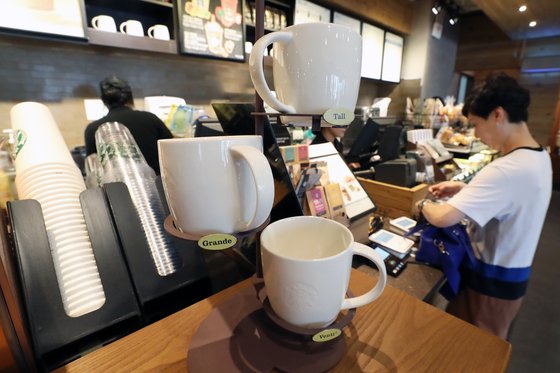
Tip: If you order “to-go/take-out” and then sit down, staff may politely ask you to move your drink into a mug. Just pick ‘to-here’ if there’s any chance you’ll stay.
Step 3: Customize Your Drink
Common options include:
- Ice level: less ice or extra ice
- Sweetness: e.g., Sugar 50%
- Milk: oat milk is increasingly common in central neighborhoods
- Extra shot:
- Size: many budget chains sell giant cups at great prices, so check the size before you order
Step 4: Pay and Wait for Your Number or Buzzer
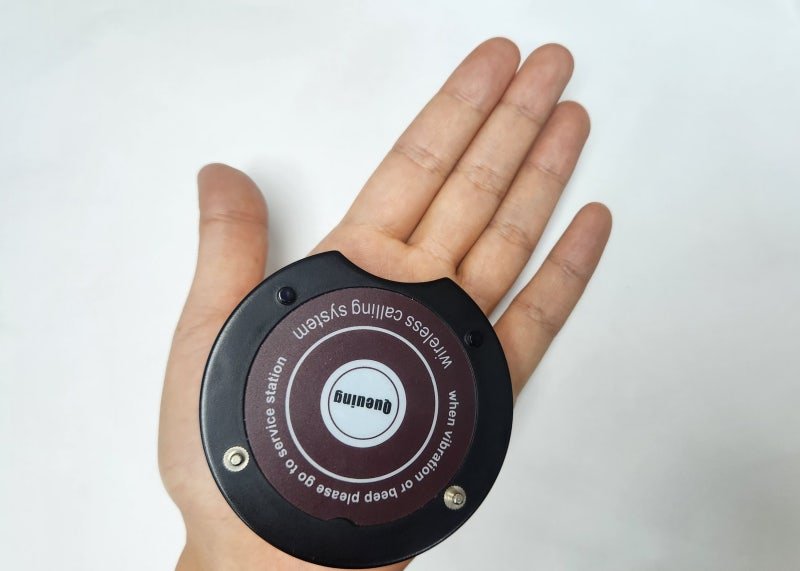
At kiosk chains, your order number appears on a screen above the pickup counter. At indie cafes with counter service, you’ll often get a small vibrating buzzer. When it flashes, go to the pickup counter (“pickup”) to collect your drink.
Paying in Seoul Cafes: Foreign Cards, Apple Pay, and Cash
Physical Credit Cards
Visa and Mastercard work at nearly every kiosk. American Express is widely accepted but less consistently. Insert your chip card into the slot (usually at the bottom of the kiosk) and leave it in until the payment finishes.
Apple Pay and Mobile Wallets
Apple Pay arrived in Korea fairly late. It launched with Hyundai Card as its local partner, and it works only at terminals that support NFC. In practice, that means large franchises and newer card readers. Apple Pay in Korea supports Mastercard and Visa along with Hyundai Card. Many smaller indie cafes still use older readers, so always carry a physical card as a backup.
A popular travel option is a prepaid card like WOWPASS, which you can top up in Korean won. It helps avoid foreign transaction fees and declined payments.
Cash
Most kiosks accept only cards. If you only have Korean won, skip the kiosk and order at the counter. Some cashless cafes won’t take cash at all, so carrying a card is the safest bet.
The Receipt Is Your Key: Finding Wi-Fi and Restroom Codes
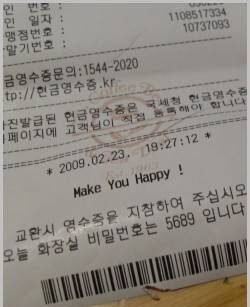
Here’s one of the most useful parts of Seoul cafe etiquette: don’t throw away your receipt. In many Korean cafes, it’s how you get into the cafe’s amenities.
Wi-Fi Passwords
Many Korean cafes print the Wi-Fi details right on the receipt instead of writing them on a chalkboard. Look for:
- Wi-Fi
- ID / SSID (the network name)
- PW / PIN (the password)
No receipt? Check the pickup counter, the side of the espresso machine, the menu board, or the back of your buzzer for a small label. Korea’s mobile data is also very fast, so a local eSIM is a reliable backup.
Restroom Door Codes
In busy areas like Hongdae, Gangnam, and Euljiro, many cafes share a restroom with the rest of the building, usually in a hallway or stairwell outside the cafe.
- Door codes: Look on your receipt for (Restroom/Toilet) followed by a code, often with a
*or#(e.g.,1234*). - Key on a block: Smaller or older cafes may keep a physical key attached to a large wooden block near the entrance.
- Toilet paper: Some building restrooms have a shared tissue dispenser at the entrance instead of inside each stall. Grab some on your way in.
Korean Cafe Kiosk Done, Now What? Laptop Culture and kagong-jok Etiquette
Once you’ve ordered at the Korean cafe kiosk and found a seat, you’ll probably be surrounded by people studying and working. Koreans call them (kagong-jok / cagongjok), a combination of the words for “cafe,” “study,” and “tribe.” Cafes generally welcome laptop users, but recent events have made the unwritten rules more visible.
What Starbucks Korea’s Policy Tells You
In 2025, the country’s largest cafe chain set limits. Starbucks Korea banned desktop computers, printers, power strips, and large partitions from its cafes and put up notices in every branch. The notices also ask customers to take their belongings with them if they leave for a long time, and to let others share tables meant for more than one person. A company representative also said the policy does not limit how long customers can stay, and laptops and small devices are still welcome. (You can read more in The Korea Herald’s coverage.)
The takeaway is simple: a laptop is fine; a full office setup is not.
Power Outlets and Plug Adapters
- Most modern cafes have outlets along the walls and at large communal tables. Some also have USB ports.
- Korea uses Type C / Type F plugs (220V, 60Hz) with two round pins. Bring a universal travel adapter. Most laptop and phone chargers handle 220V, but check the label on any hair tools or other appliances.
- Don’t plug in power strips to take over several outlets. That’s exactly the kind of behavior chains are now restricting.
How Long Can You Stay?
There’s a good reason cafes care about this. A 2019 estimate from the Korea Foodservice Industry Research Institute found that a $3 coffee covers only about 1 hour and 42 minutes of seat time before the customer stops being profitable. Good habits to follow:
- Order again every 2–3 hours. Buy a second drink or a dessert if you’re staying a long time.
- Don’t take a big table alone during peak hours, especially weekend afternoons.
- Look for signs. Small, photogenic dessert cafes and pop-ups in Seongsu-dong or Ikseon-dong may post “No Laptops” or a time limit such as “2-Hour Seating Limit”, especially on weekends.
- Choose the right cafe. Large chains like Starbucks, Hollys, and A Twosome Place, and dedicated “study cafes” , are built for long work sessions. Aesthetic dessert cafes usually aren’t.
Leaving Your Things Unattended
You’ll see locals leave laptops, phones, and even wallets on tables while they go to the restroom. South Korea is very safe, but keep your passport and main wallet with you. Note that Starbucks Korea now asks customers not to leave belongings unattended for long periods.
Finding Great Cafes: Practical Tools
- Naver Map (map.naver.com) and KakaoMap are much more accurate in Korea than Google Maps, and they show reviews, opening hours, and photos of cafes.
- The Korea Tourism Organization (VISITKOREA) has English guides to neighborhoods like Seongsu, Yeonnam, and Ikseon-dong.
- For cups and sustainability, the World Coffee Portal report on Korea’s 2026 cup rules explains why your drink comes in a mug.
Seoul Cafe Etiquette Quick Reference
| Situation | What to Do |
|---|---|
| Ordering | Use the Korean cafe kiosk; switch to ENG in a corner of the screen |
| Eating In vs. To-Go | First screen: For Here or To-Go |
| Cups | Dine-in drinks come in mugs or reusable cups; plastic is for take-out |
| Straws | Ask for one if you need it |
| Payment | Chip card is safest; Apple Pay only at NFC terminals; cash at the counter |
| Wi-Fi Password | On your receipt (PW) |
| Restroom Code | On your receipt or a key near the exit |
| Plug Type | Type C/F, 220V; bring an adapter, no power strips |
| Long Work Sessions | Laptop is fine; reorder every 2–3 hours; watch for time-limit signs |
Final Thoughts
Learning a few habits of Seoul cafe etiquette is one of the quickest ways to feel at home in the city. Once you know how to use a Korean cafe kiosk, check your receipt for the Wi-Fi and restroom codes, and follow the laptop rules, you can explore Seoul’s coffee scene from a ₩1,500 iced Americano in a quiet neighborhood to a designer latte in Seongsu.